Season 2 of W Kamau Bell's show, "United Shades of America" premiered with an episode about immigrants and refugees. To understand the rising anti-immigrant sentiment, Bell asked white supremacist Richard Spencer what he would say to Americans who enjoy cuisines like Mexican or Thai food.
Spencer responded, "Now we have the recipes, we don't need the people"
The absurdity of both the question and the answer has stayed with me for many years. The question accepts the xenophobic logic that immigrants must justify their existence through what they produce or provide. Migration is treated as a transaction rather than a natural part of human history.
Spencer's response misunderstands how many cuisines work. The recipe is not the food. Rather, these recipes are often passed down through generations using a combination of oral tradition and practice.
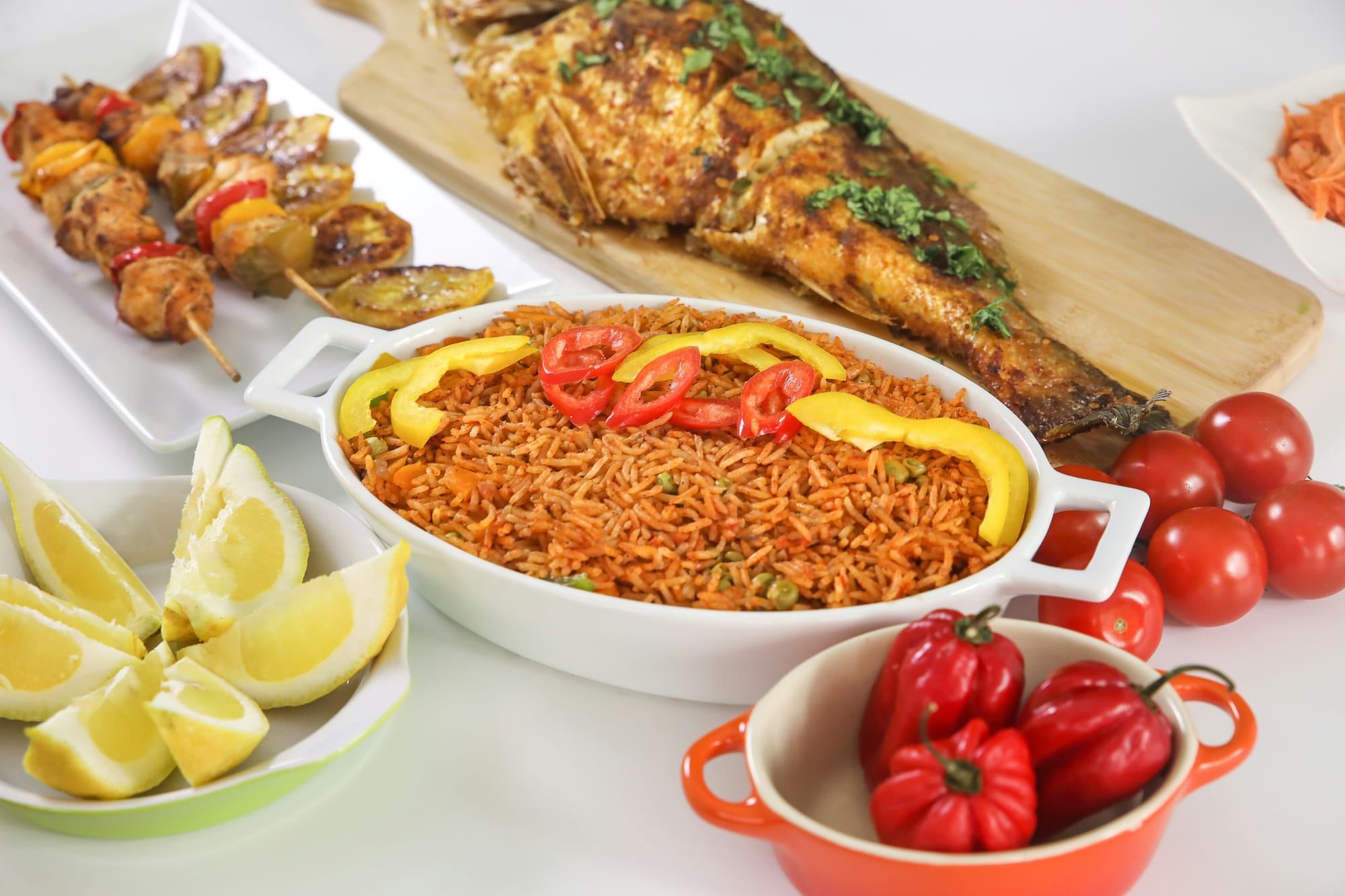
For example, I spent many years asking my Nigerian mother for her jollof rice recipe. Rather than write a single word down, she would look at me askance and ask me to watch the next time she made the dish. So I watched her.
My first attempt at making jollof rice was a disaster. The rice was both too soft and undercooked simultaneously. It was inedible. The next time, the bottom burned. Another time, it was bland because the ratio of sauce to rice was not right.
After years of practice, I learned to make the rice and the sauce separately. Longer grained rice required more sauce than shorter grained rice. I substituted the traditional white rice with brown to increase the fiber. I learned to use canned tomatoes in the winter because the fresh tomatoes were bland.
Each time, I make jollof rice, it is different depending on the season, the available ingredients and who I am making the meal for. Years of practice have made me adept at making adaptations. Any written recipe is only a partial translation of that intelligence.
Yet, recipes are powerful tools to help codify that knowledge. They are legible and transferable regardless of context. The measurements are more universal than a pinch or a spoonful. The ingredient list matches what is available in the grocery store. They serve as helpful guides before the knowledge is embodied.
By centering recipes or written artifacts, we devalue less visible forms of intelligence. This kind of knowledge is built in our environment, in relationship, with our histories. We lose the taste and judgement that comes from cooking the same dish with other people.
And so no, the recipe cannot replace the people.