26 years ago, I left my home in Lagos, Nigeria. With 12 hours' notice, my family and I were on a flight to Boston.
As a nine-year-old, I was excited. I imagined sidewalks paved in gold. My dark skin would lighten under the softer American sun. My kinky curls would loosen by the magic of Boston air. School would be fun. My life would resemble the American movies I regularly watched.
At nine, I didn't understand what leaving meant. I couldn't imagine that the life I knew was ending.
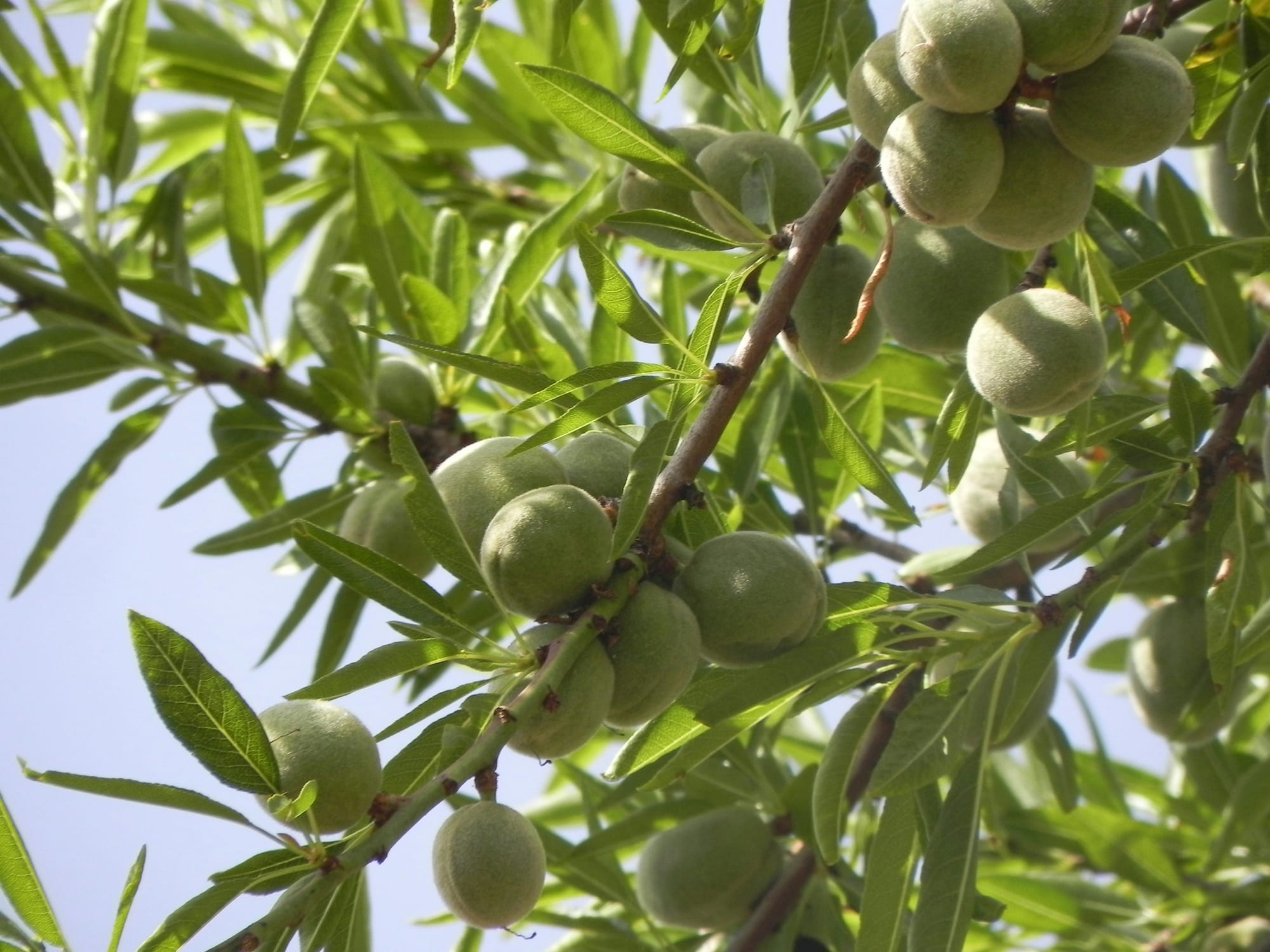
When I returned to Nigeria at 23, my beloved great uncle, Prof, had died along with many other relatives. Fruits I enjoyed like the almond fruit had stopped being cultivated in my time away. My grandparent's home now housed cousins I had never met.
The Nigeria I knew was gone.
Over the past 26 years, I have experienced many more endings. Some, like my college graduation, were anticipated. The last class, the last dining hall meal, and the last night in the dorms were all ceremoniously marked. I could prepare.
But many more endings have come unannounced. Some, like the pandemic, were sudden. The world shut down seemingly overnight. My 560 sq ft condo transformed into my gym, office, and bar. My social connections collapsed into my devices. And millions of people died across the globe.
Not all endings arrive dramatically. Some happen so gradually that I barely notice them, like the way tech lost its hopeful sheen. When I started my career, optimism and unlimited money fueled the industry. News story after news story showcased how the internet was transforming the world for the better. Then interest rates rose, and slowly that hopeful narrative gave way to layoffs and relentless extraction.
We can't prepare for these kinds of unannounced endings. Yet, this unpredictability forces us to appreciate the present because any moment could quietly become the last time we do something.
Savoring the present does not prevent the pain of the ending. But it helps us resist the trap of nostalgia. We are better able to remember the past fully, including the annoyances, sadness, or anger. Being present allows us to let go graciously.
“Grief hit like that. Something would remind us of the past, of home, of a person, and then we would remember that it was all gone. The person was dead or probably dead. Everything we’d known and treasured was gone.” - Octavia Butler, "Parable of the Sower"
I am not above nostalgia. I still crave the buttered toast from Daughter's Diner, which closed during the pandemic. Every February, I reminisce about joyful Black History Month events at tech companies overflowing with food and drinks.
Endings are still hard.
But if I had to give my 9 year-old self advice about immigrating, I would tell her gently to hug her uncle a bit tighter and memorize his face and the smell of his pipe. I would tell her to eat the almond fruit till she got sick. I would tell her that there is nothing sweeter than hearing Bùkólá pronounced by a Yorùbá native.
But really what I would be telling her (and myself) is to live in the present.